
Custom monoclonal antibodies have revolutionized the field of biotechnology and have paved the way for personalized medicine. These antibodies are specifically engineered to target a particular antigen, making them highly effective in treating a wide range of diseases, including cancer, autoimmune disorders, and infectious diseases.
The production of custom monoclonal antibodies involves a complex process that requires specialized expertise and state-of-the-art technology. In this article, we will explore the various steps involved in the production of custom monoclonal antibodies, from antigen selection and hybridoma generation to antibody purification and characterization. We will also discuss the applications of custom monoclonal antibodies in research, diagnostics, and therapeutics, highlighting their potential to revolutionize the way we approach healthcare.
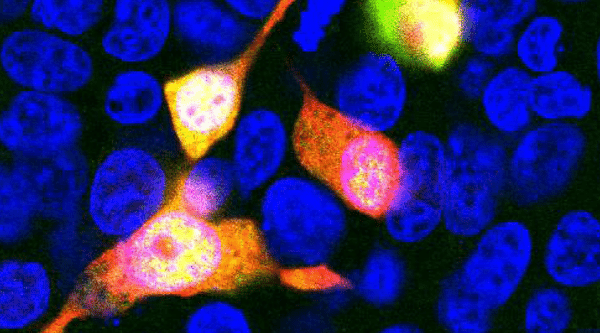
Steps in Custom Monoclonal Antibody Production
The production of custom monoclonal antibodies begins with the selection of an antigen that is specific to the target of interest. This antigen is then used to immunize a host organism, typically a mouse, to initiate an immune response. B cells from the immunized mouse are then extracted and fused with myeloma cells to create hybridomas. These hybridomas are screened to identify clones that produce antibodies against the target antigen. Once these clones are identified, they are cultured and expanded to produce a sufficient quantity of monoclonal antibodies. The antibodies are then purified and characterized for their specificity and affinity, ensuring their effectiveness in targeting the desired antigen.
Applications of Custom Monoclonal Antibodies
Custom monoclonal antibodies have a wide range of applications in various fields, including research, diagnostics, and therapeutics. In research, these antibodies are used to study protein expression, protein localization, and protein interactions. In diagnostics, custom monoclonal antibodies are employed in immunoassays to detect the presence of specific biomarkers or pathogens in patient samples. In therapeutics, these antibodies can be used to target cancer cells, modulate immune responses in autoimmune disorders, or neutralize pathogens in infectious diseases. The versatility and specificity of custom monoclonal antibodies make them invaluable tools in advancing personalized medicine and improving patient outcomes.
Custom monoclonal antibodies have the potential to revolutionize healthcare by offering targeted and personalized treatment options. The production process, from antigen selection to antibody purification, involves intricate steps that require precision and expertise. With their wide range of applications in research, diagnostics, and therapeutics, custom monoclonal antibodies continue to play a vital role in advancing personalized medicine and improving patient outcomes. As technology continues to evolve, the future of custom monoclonal antibodies looks promising in shaping the way we approach and treat various diseases.
Leave a Reply