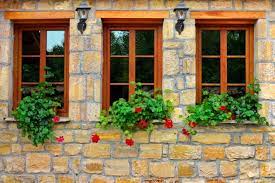
In the realm of architecture, windows serve as more than mere openings to let in light and air; they are intricate components that contribute significantly to the overall aesthetics and design of a structure. Windows play a pivotal role in defining the character of a building, influencing its style, functionality, and the experience of its occupants. This article delves and helps us to find out more about the multifaceted aspects of windows as architectural elements, examining their role in shaping the visual appeal, spatial dynamics, and cultural significance of buildings.
Historical Evolution:
The history of windows as architectural elements is a journey through time, reflecting the evolution of design, technology, and cultural preferences. From the small, strategically placed openings in medieval castles to the expansive glass facades of modern skyscrapers, windows have undergone a transformative journey. Renaissance and Baroque periods introduced ornate window treatments, incorporating intricate detailing and decorative elements, while the Industrial Revolution brought about mass-produced glass, enabling larger and more elaborate window designs.
Aesthetics and Visual Impact:
The aesthetics of a building are greatly influenced by the size, shape, and arrangement of its windows. Different architectural styles utilize windows to convey specific design principles. For example, Gothic architecture often features pointed arches and intricate tracery in windows, while the simplicity of Modernism embraces large, unadorned windows that prioritize functionality and a connection with the surrounding environment. The play of light and shadow through well-designed windows can create a dynamic visual experience, enhancing the overall appeal of a structure.
Functionality and Spatial Dynamics:
Windows are not only visual elements but also crucial contributors to the functionality and spatial dynamics of a building. Properly positioned windows can optimize natural light, reducing the need for artificial lighting and creating a more sustainable and energy-efficient environment. Furthermore, well-placed windows can enhance ventilation, providing a comfortable and healthy indoor atmosphere. Architects carefully consider the placement and size of windows to achieve a balance between aesthetics and functionality, ensuring that the interior spaces are both visually pleasing and practical.
Cultural Significance:
Windows often carry cultural and symbolic significance, reflecting the values and traditions of a society. Stained glass windows in religious buildings, for instance, depict intricate scenes that convey narratives and theological concepts. In residential architecture, window styles may vary based on regional preferences and climate conditions. Understanding the cultural context allows architects to integrate windows harmoniously into the overall design, creating a sense of connection between the building and its surroundings.
Windows are not just openings in a wall; they are dynamic architectural elements that contribute to the identity and functionality of a structure. A thoughtful approach to window design involves considering aesthetics, functionality, and cultural context. Whether a building seeks to convey a sense of historical grandeur, embrace minimalist modernism, or respond to specific environmental considerations, windows play a crucial role in shaping the overall architectural experience. As architects continue to push the boundaries of design, windows will undoubtedly remain a canvas for creative expression and a bridge between the built environment and the natural world.
Leave a Reply