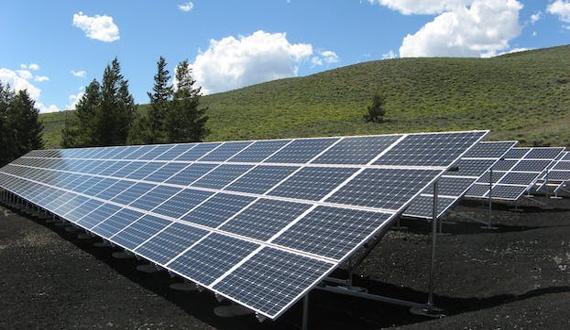
Solar panels have become an increasingly popular and efficient source of renewable energy in recent years. With the growing concern for climate change and the need to reduce carbon emissions, more and more people are turning to solar power as a clean and sustainable alternative. Solar panels, also known as photovoltaic (PV) modules, harness the energy from the sun and convert it into usable electricity for homes, businesses, and other applications.
The concept of solar panels is based on the photovoltaic effect, which was first discovered in the 19th century. When sunlight hits the surface of a solar panel, the photons (particles of light) create an electric field, causing the flow of electrons and producing DC electricity. This electricity can then be converted into AC power and used to run various electrical appliances and systems. In addition to being eco-friendly, solar panels offer numerous benefits such as reducing electricity bills, providing energy independence, and contributing to a more sustainable future. In this article, we will delve deeper into the working principle of solar panels, their types, installation process, and the potential impact of solar energy on the environment and economy.
Advantages of Solar Panels
Solar panels are rapidly gaining popularity due to their numerous advantages. One of the main benefits of solar panels is their ability to generate clean and renewable energy. By harnessing the power of the sun, solar panels produce electricity without emitting any harmful pollutants or greenhouse gases.
Solar panels also offer significant cost savings. While the initial cost of installing solar panels may seem high, they can provide long-term financial benefits. Solar panel systems can significantly reduce or even eliminate monthly electricity bills. Additionally, excess energy produced by solar panels can be sold back to the grid, resulting in further savings.
Environmental Impact of Solar Panels
Solar panels have a positive environmental impact due to their ability to generate clean energy. When solar panels produce electricity, there are no harmful emissions or pollutants released into the air. This helps to reduce air pollution and combat climate change.
Furthermore, solar panels contribute to the conservation of natural resources. By relying on sunlight as a source of energy, solar panels reduce the need for other non-renewable resources, such as coal or natural gas. This helps to protect natural habitats and preserve biodiversity.
Solar panels also have a positive impact on the economy. The solar industry has been growing rapidly, creating jobs and stimulating economic growth. According to the Solar Energy Industries Association, the solar industry employs over 250,000 people in the United States alone. This not only provides job opportunities but also revitalizes local economies.
Additionally, solar panels can provide energy independence for individuals and communities. By generating their own electricity, people can reduce their reliance on the traditional power grid and avoid fluctuations in energy prices. This can be particularly beneficial in remote areas where access to electricity may be limited or expensive.
In conclusion, solar panels offer numerous advantages, including clean and renewable energy generation, cost savings, positive environmental impact, and economic benefits. As technology continues to advance, solar panels are becoming more efficient and affordable, making them an increasingly viable option for individuals, businesses, and governments worldwide. By embracing solar power, we can take a significant step towards a more sustainable and environmentally-friendly future.
Leave a Reply