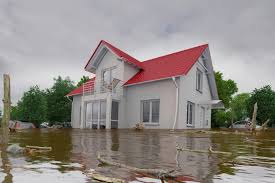
Water damage is a common and often devastating occurrence that can wreak havoc on homes and businesses alike. When a flood, burst pipe, or a leaky roof strikes, it’s essential to understand the science behind water damage restoration. water damage restoration chicago services offered by our experienced team are designed to swiftly and effectively address any water-related issues in your property. In this comprehensive article, we will delve into the intricacies of water damage, the restoration process, and how to ensure your property bounces back to its pre-damaged state.
Understanding the Basics of Water Damage
The Different Types of Water Damage
Water damage is not a one-size-fits-all problem. It comes in various forms, each with its unique challenges:
1. Clean Water Damage
Clean water damage originates from sources like broken water supply lines or overflowing sinks. It is the least contaminated and easiest to mitigate.
2. Grey Water Damage
Grey water damage results from sources like sump pump failures or appliance leaks. It may contain contaminants that can cause discomfort or illness.
3. Black Water Damage
Black water damage is the most severe and hazardous. It arises from sewage backups, flooding from rivers, or storm surges. This water is highly contaminated and poses health risks.

The Science of Water Absorption
Understanding how water behaves within structures is crucial for effective restoration. When water infiltrates a building, it follows the path of least resistance. It can be absorbed by various materials, including wood, drywall, and insulation.
The Impact of Water on Building Materials
Water can cause significant damage to building materials, leading to:
Structural Weakness: Prolonged exposure weakens wooden structures and can compromise the integrity of a building.
Mold Growth: Moisture promotes mold growth, which can lead to health problems and further property damage.
Electrical Hazards: Water can damage electrical systems, posing a fire risk.
The Water Damage Restoration Process
Assessment and Inspection
The first step in restoration is a thorough assessment and inspection. This involves identifying the extent of the damage, categorizing it, and determining the best course of action.
Water Extraction
The removal of excess water is paramount. High-powered pumps and vacuums are used to extract water from floors, carpets, and walls.
Drying and Dehumidification
Proper drying techniques are essential to prevent mold growth and further structural damage. Industrial-grade dehumidifiers and fans are used to reduce moisture levels.
Cleaning and Sanitizing
All affected surfaces and belongings must be cleaned and sanitized to prevent contamination and odors.
Restoration and Reconstruction
Once the area is dry and sanitized, restoration can begin. This may involve repairing or replacing damaged materials, such as drywall, flooring, and insulation.
The CleanUP Guys
(773) 885-8528
Cutting-Edge Technology in Water Damage Restoration
In recent years, advancements in technology have revolutionized the water damage restoration industry:
Thermal Imaging
Thermal imaging cameras are used to detect hidden pockets of moisture within walls and ceilings, ensuring no moisture is left behind.
Moisture Meters
These devices measure the moisture content of materials, helping technicians determine if drying is complete.
Drones
Drones equipped with thermal cameras can provide a bird’s-eye view of the affected area, aiding in assessment and planning.
Preventing Water Damage
While understanding the science of water damage restoration is essential, prevention is equally important. Here are some proactive measures to safeguard your property:
Regular Maintenance
Keep an eye on your plumbing and roofing systems, and address any issues promptly.
Proper Insulation
Well-insulated homes are less susceptible to water damage and mold growth.
Flood Alarms
Install flood alarms in vulnerable areas to receive early warnings of potential water intrusion.
Conclusion
In the world of water damage restoration, knowledge truly is power. Understanding the science behind water damage, the restoration process, and the latest technologies empowers homeowners and business owners to take swift and effective action when disaster strikes. Remember, time is of the essence when it comes to water damage, so being prepared and informed can make all the difference.
Leave a Reply